 Zapisz
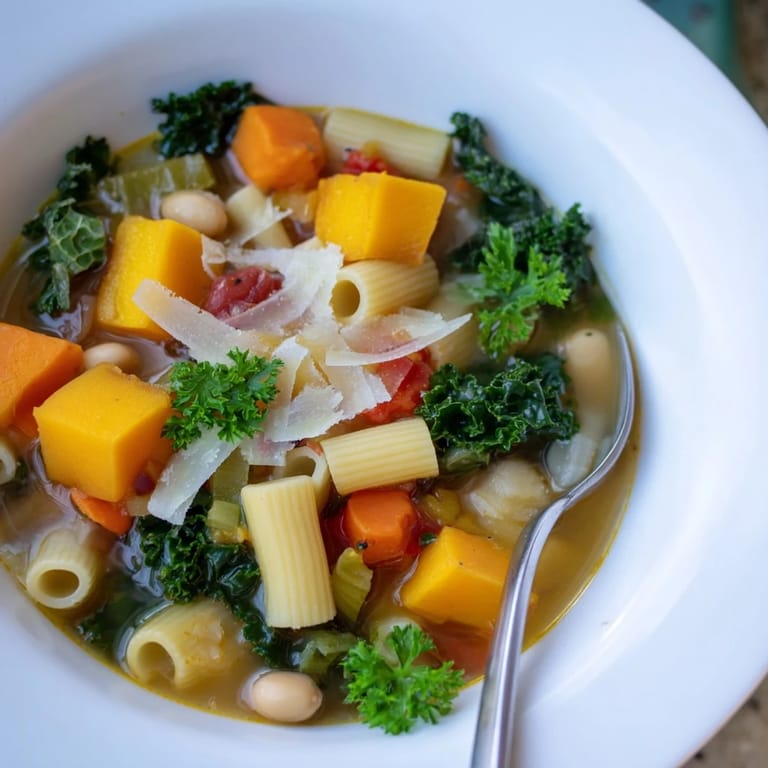
 When the temperature drops and a chill settles in the air, there is nothing more restorative than a steaming bowl of Winter Minestrone. This hearty, comforting soup is a vibrant celebration of seasonal produce, featuring the earthy sweetness of butternut squash and the robust texture of kale. It is the ultimate one-pot meal that warms you from the inside out, making it the perfect companion for a cozy evening at home.
Zapisz This recipe transforms humble pantry staples and fresh market vegetables into a symphony of flavors. The combination of savory vegetable broth, aromatic herbs like rosemary and thyme, and the slight acidity of tomatoes creates a rich base that perfectly complements the tender vegetables and small pasta shapes. Every spoonful offers a delightful mix of textures and nourishment.
Ingredients
Tired of Takeout? 🥡
Get 10 meals you can make faster than delivery arrives. Seriously.
One email. No spam. Unsubscribe anytime.
- 2 tablespoons olive oil
- 1 medium yellow onion, diced
- 2 carrots, sliced
- 2 celery stalks, sliced
- 3 garlic cloves, minced
- 3 cups butternut squash, peeled and cubed
- 1 medium zucchini, diced
- 1 can (14 oz/400 g) diced tomatoes
- 4 cups kale, stems removed and leaves chopped
- 1 can (15 oz/425 g) cannellini beans, drained and rinsed
- 1 cup small pasta (such as ditalini or elbow macaroni)
- 6 cups vegetable broth
- 1 bay leaf
- 1 teaspoon dried oregano
- 1 teaspoon dried thyme
- 1/2 teaspoon dried rosemary
- Salt and pepper, to taste
- Freshly grated Parmesan cheese (optional garnish)
- Chopped fresh parsley (optional garnish)
- Crusty bread, for serving (optional garnish)
Instructions
- Step 1
- Heat olive oil in a large pot over medium heat. Add onion, carrots, and celery. Sauté for 5 minutes until softened.
- Step 2
- Stir in garlic and cook for 1 minute until fragrant.
- Step 3
- Add butternut squash and zucchini. Cook for another 5 minutes, stirring occasionally.
- Step 4
- Pour in diced tomatoes, vegetable broth, bay leaf, oregano, thyme, and rosemary. Bring to a boil.
- Step 5
- Reduce heat to a simmer. Cover and cook for 15 minutes until the squash is just tender.
- Step 6
- Add beans, pasta, and kale. Simmer uncovered for 10-12 minutes, until pasta is cooked and kale is wilted.
- Step 7
- Remove bay leaf. Season with salt and pepper to taste.
- Step 8
- Ladle into bowls and top with Parmesan and parsley if desired. Serve with crusty bread.
Zusatztipps für die Zubereitung
For an extra layer of depth, add a Parmesan rind to the soup while it simmers and remove it before serving. Cutting the butternut squash into uniform cubes ensures even cooking, while sautéing the aromatics properly at the start builds the foundational flavor for the entire pot.
Varianten und Anpassungen
This soup is easily adaptable. For a gluten-free version, use gluten-free pasta or omit it and add extra beans. If you prefer a different green, you can substitute the kale with fresh spinach, adding it at the very end to prevent overcooking.
Serviervorschläge
Serve this minestrone steaming hot in deep bowls. A generous sprinkle of freshly grated Parmesan and a handful of chopped parsley add a fresh finish. Don't forget the crusty bread on the side—it's essential for soaking up every last drop of the flavorful broth.
 Zapisz
 Winter Minestrone is more than just a soup; it is a bowl of pure comfort that celebrates the best of seasonal eating. Whether you are meal-prepping for the week or serving a family dinner, this rustic and nourishing dish is sure to become a favorite during the colder months.
Najczęściej zadawane pytania dotyczące przepisów
- → Czy mogę przygotować zupę z wyprzedzeniem?
Tak, zupa smakuje jeszcze lepiej następnego dnia gdy smaki się połączą. Przechowuj w lodówce do 3 dni. Podgrzewaj przed podaniem, dodając odrobinę wody jeśli zupa zgęstniała.
- → Jakie inne warzywa mogę dodać?
Świetnie komponują się: fasolka szparagowa, ziemniaki, papryka, szpinat zamiast jarmużu. Możesz eksperymentować z sezonowymi warzywami, których masz pod ręką.
- → Czy mogę zamrozić zupę minestrone?
Nie zalecam zamrażania z makaronem - makaron może stać się miękki. Lepiej zamrozić bazę zupy bez makaronu i dodać świeży makaron podczas podgrzewania.
- → Jak zrobić wersję bezglutenową?
Zastąp zwykły makaron makaronem bezglutenowym z kukurydzy, ryżu lub quinoa. Alternatywnie pomiń makaron całkowicie i dodaj więcej fasoli dla większej sytości.
- → Czy mogę użyć fasoli suchej zamiast z puszki?
Tak, wymaga to jednak wcześniejszego namoczenia fasoli na noc i ugotowania przez około 1 godzinę przed dodaniem do zupy. Użyj około 1/2 szklanki suchej fasoli.
- → Jaki makaron najlepiej pasuje do minestrone?
Najlepsze są małe kształty: ditalini, łokciki, rurki, gwiazdki lub litery. Małe makarony ładnie wypełniają łyżkę i równomiernie się gotują z warzywami.