 Zapisz
 My kitchen smelled like a Mediterranean market the afternoon I stopped fighting tahini and started respecting it. I'd been making dressings the same way for years—timid whisks, watery results, the kind of thing you'd scrape off a salad. Then someone handed me a jar of proper tahini and said, simply, add lemon. That tiny shift changed everything. Now this creamy, assertive dressing shows up on my table multiple times a week, transforming whatever sits in front of it.
I made this for my neighbor last summer when she appeared with a wooden crate of vegetables from her garden—zucchini, bell peppers, eggplant, all still warm from sitting in the sun. She'd asked what to do with them, and I roasted them while whisking this together, then drizzled it over the whole pile still steaming. She stood in my kitchen eating directly from the pan, not even bothering with a plate, and that's when I knew the dressing had quietly become the star.
Ingredients
- Tahini: The foundation of everything—buy the kind that's just ground sesame with nothing else hiding in it, and stir it well before measuring because the oil separates if it sits too long.
- Fresh lemon juice: Bottled won't give you the same bright edge, so squeeze your own and feel how the acid immediately softens the tahini's density.
- Extra-virgin olive oil: This isn't just filler; it adds richness and carries flavor, so choose one you'd actually taste on bread.
- Water: The secret weapon that transforms paste into dressing—add it gradually and you'll understand why patience matters here.
- Garlic: A single clove, finely minced or grated, punches through without overwhelming, so don't skip the mincing step.
- Maple syrup or honey: Optional but worth it, a whisper of sweetness that balances acid and salt in a way that feels almost invisible.
- Fine sea salt: Coarse salt won't dissolve smoothly, so the texture matters as much as the ingredient.
- Ground cumin: If you use it, you're adding a warm earthiness that makes people ask what they're tasting but can't quite name.
Tired of Takeout? 🥡
Get 10 meals you can make faster than delivery arrives. Seriously.
One email. No spam. Unsubscribe anytime.
Instructions
- Combine the base:
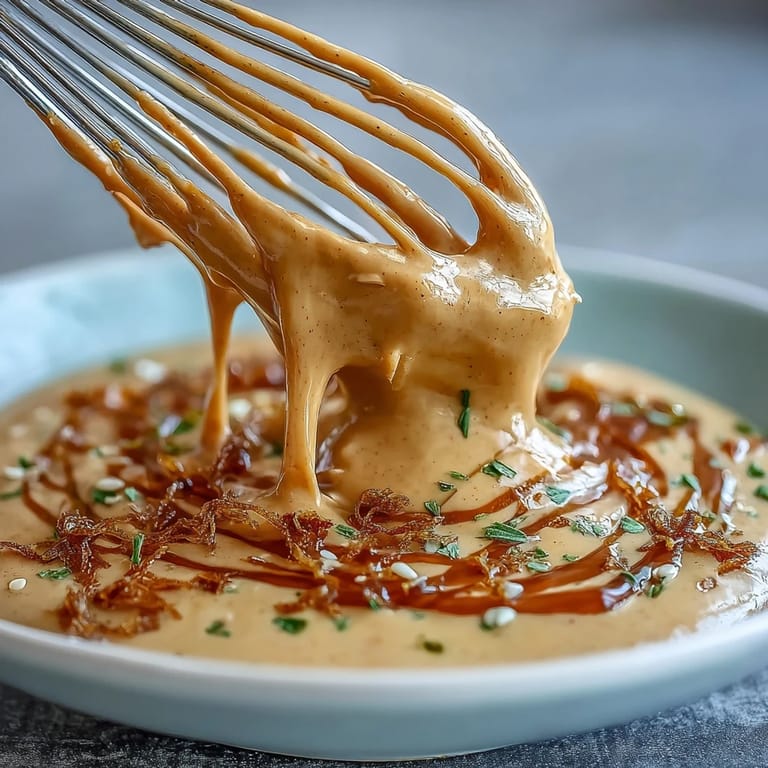
- In a medium bowl, whisk tahini, lemon juice, olive oil, and water together, watching as the mixture goes from thick and stubborn to silky and cooperative. The transformation happens faster than you'd expect, usually within thirty seconds of confident whisking.
- Build the flavor:
- Add garlic, sweetener if using, salt, and cumin, whisking again until everything is evenly distributed and no streaks of tahini remain. Taste it now—this is your moment to notice what's missing before you've added too much water.
- Adjust the consistency:
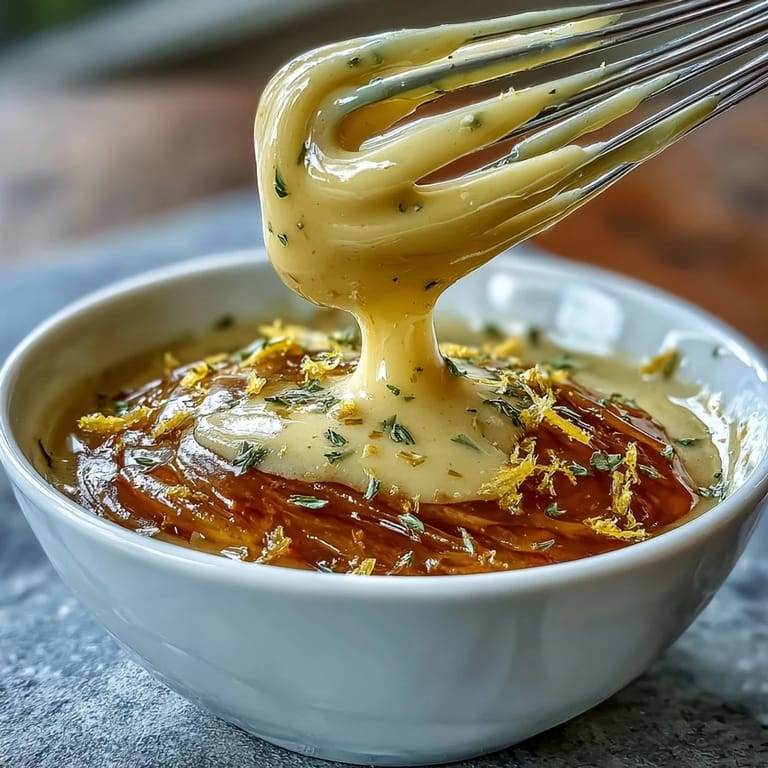
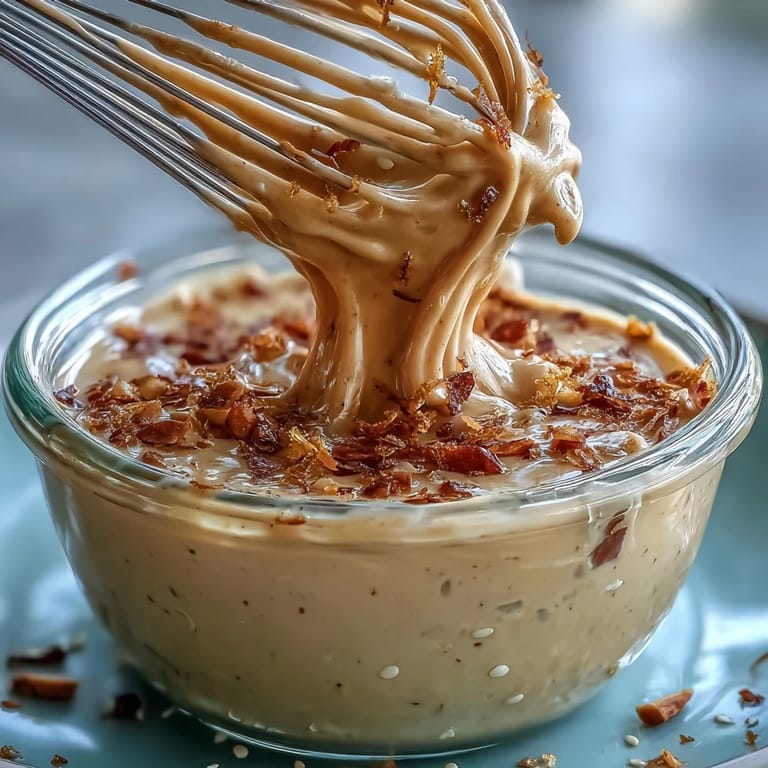
- Splash in more water one tablespoon at a time, whisking between each addition, until the dressing flows like heavy cream and coats the back of a spoon. This step takes patience because rushing it means a dressing that's either too thick or too thin.
- Taste and refine:
- Take a proper taste on something—a piece of bread, a raw vegetable, whatever's nearby—and decide if it needs more salt, more lemon for brightness, or more sweetness to round out the edges. Your palate is the only guide that matters here.
- Store or serve:
- Use it immediately over warm vegetables or cold salads, or pour it into a container and refrigerate it for up to five days, knowing it'll thicken slightly as it cools and will loosen again with a stir or shake.
 Zapisz
 I've watched this dressing do quiet magic at tables where people who don't think they like tahini suddenly become curious, asking questions about something so simple it almost seems unfair. It's become the kind of thing that makes me feel like a better cook, not because I did anything complicated, but because I finally understood that sometimes restraint and respect for ingredients matter more than effort.
When to Reach for This Dressing
This works on warm roasted vegetables, cold grain bowls, fresh salads, and as a dip for everything from raw carrots to warm pita bread. I've spooned it over grilled chicken, drizzled it across hummus for extra creaminess, and stirred it into a quick soup that needed richness. The versatility is almost suspicious—something this simple shouldn't work this well everywhere, but it does.
Variations and Additions
Fresh herbs wake this up in different directions—parsley makes it brighter, cilantro pushes it toward something more global, dill adds a quieter earthiness. I've added a pinch of paprika for color and warmth, a touch of pomegranate molasses for tanginess, and even a tablespoon of tahini-thinned yogurt when I wanted something richer. Each change shifts the personality without losing the core identity.
Storage and Keeping
Refrigerate this in a glass jar with a tight lid and it'll last a full five days, maybe longer if you don't mind it getting thicker. The flavors actually deepen slightly as it sits, so day three tastes a bit more assertive than day one. A shake or quick stir brings back the pourable consistency, and if it's genuinely too thick, just whisk in a tablespoon of water and you're back in business.
- Shake before using because the oil and tahini naturally separate during storage, which is completely normal and not a sign anything went wrong.
- If you're meal prepping, make a larger batch in a squeeze bottle so you can drizzle it easily throughout the week without hunting for a spoon.
- This freezes decently for up to a month if you want to get ahead, though the texture will be slightly grainier when thawed, so whisk it smooth again before serving.
 Zapisz
 This dressing has become the thing I make when I want to feel capable in the kitchen without spending hours there. It's proof that the best recipes aren't always the most complicated.
Najczęściej zadawane pytania dotyczące przepisów
- → Jak uzyskać idealną konsystencję sosu?
Konsystencję łatwo dostosować, dodając stopniowo wodę podczas mieszania, aż sos stanie się kremowy i lejący.
- → Czy można użyć miodu zamiast syropu klonowego?
Tak, miód nada delikatną słodycz, ale wersja z syropem klonowym jest odpowiednia dla wegan.
- → Jak przechowywać sos tahini?
Wystarczy zamknąć go w szczelnym pojemniku i przechowywać w lodówce do 5 dni, przed użyciem wymieszać.
- → Czy tahini można zastąpić innym składnikiem?
Podstawą jest pasta sezamowa – zastąpienie jej zmieni smak i konsystencję, więc zaleca się użycie oryginału.
- → Jakie dodatki pasują do tego sosu?
Świeże zioła takie jak pietruszka, kolendra lub koper wzbogacają smak i dodają świeżości.