 Zapisz
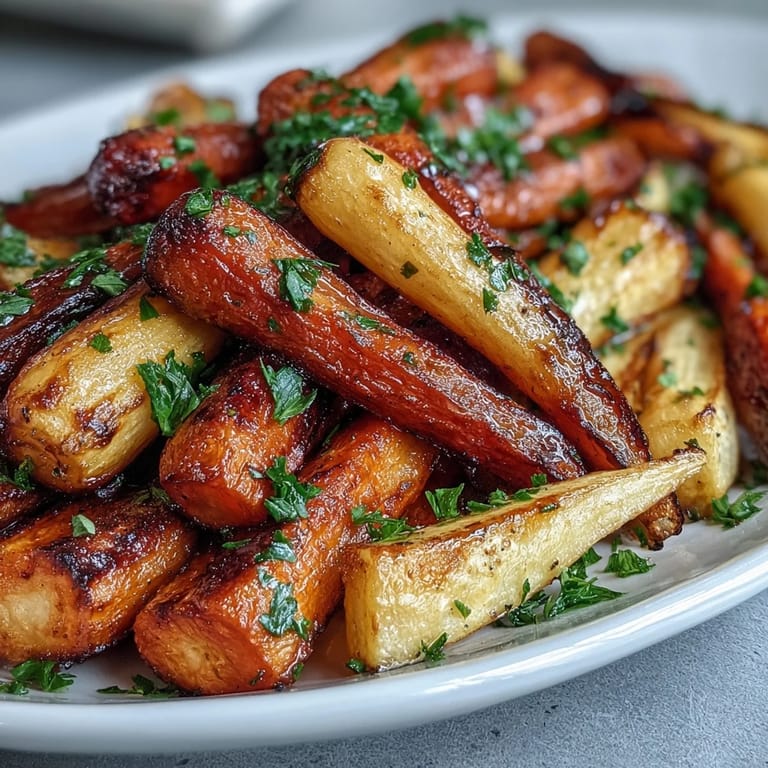
 My sister called me panicked the night before Easter, realizing she'd volunteered to bring a side dish but had no idea what to make. I told her about these honey roasted carrots and parsnips, and she made them the next morning while juggling three kids and a kitchen full of steam. When she arrived at dinner, her dish was the first thing people reached for, and suddenly I understood why this humble combination of root vegetables had become her secret weapon. There's something about the way honey caramelizes against the edges while the inside stays tender that makes people forget they're eating vegetables entirely.
I watched my grandmother stand at the kitchen counter one November, peeling parsnips with the kind of focus she usually reserved for reading the newspaper. She told me her mother used to make these every Sunday dinner, that parsnips were more common in her childhood kitchen than potatoes. When I roast them now, I can almost hear her stories about rationing and making magic happen with whatever vegetables were available. It's become my way of honoring her without making it obvious, which felt important somehow.
Składniki
- 4 średnie marchewki, obrane i pokrojone na paski: Marchewka ma słodkie nuty, które rozwijają się w piekarniku, ale pokrojenie ich na jednakową grubość ensures they caramelize at the same pace.
- 4 średnie pasternak, obrane i pokrojone na paski: Parsnips are earthier and slightly nuttier than carrots, and their starch helps them develop crispy edges while staying creamy inside.
- 3 łyżki modu: Use raw honey if you have it—the flavor is more complex and it caramelizes beautifully without burning.
- 2 łyżki oliwy z oliwek: This carries the thyme flavor and helps everything crisp up at the edges.
- 1 łyżka świeżych liści tymianku (lub 1 łyżeczka suchego tymianku): Fresh thyme has a brighter, slightly peppery quality, but dried works just fine if that's what you have.
- 1/2 łyżeczki soli morskiej: Sea salt dissolves more evenly than table salt and tastes cleaner against the sweetness.
- 1/4 łyżeczki świeżo mielonego czarnego pieprzu: Grind it fresh right before mixing—pre-ground pepper loses its bite.
- 1 łyżka posiekanej świeżej pietruszki (opcjonalnie): This adds a pop of color and freshness that cuts through the richness of the glaze.
Tired of Takeout? 🥡
Get 10 meals you can make faster than delivery arrives. Seriously.
One email. No spam. Unsubscribe anytime.
Instrukcje
- Rozgrzej piekarnik i przygotuj blachę:
- Set your oven to 400°F (200°C) and line a large baking sheet with parchment paper so nothing sticks and cleanup is effortless. You want the oven fully preheated so the vegetables start caramelizing the moment they hit the heat.
- Połóż warzywa w misce:
- Place your carrot and parsnip sticks in a large mixing bowl, making sure they're cut to roughly the same thickness so everything cooks evenly. This is where the magic starts—you're about to coat every piece in something delicious.
- Zrób glazurę:
- In a small bowl, whisk together the honey, olive oil, thyme, salt, and pepper until it looks like a loose, shimmery glaze. You'll smell the thyme release its oils as you mix, which is your signal that everything's coming together.
- Pokryj warzywa glazurą:
- Pour the honey mixture over your vegetables and toss everything together using your hands or two large spoons—hands work best because you can feel when every piece is coated. This shouldn't take more than a minute or two.
- Rozłóż na blasze i piecz:
- Spread the coated vegetables in a single layer on your prepared baking sheet, making sure they're not piled on top of each other, then slide it into the oven. Roast for 30 to 35 minutes, stirring halfway through so everything caramelizes evenly.
- Sprawdź gotowość i podawaj:
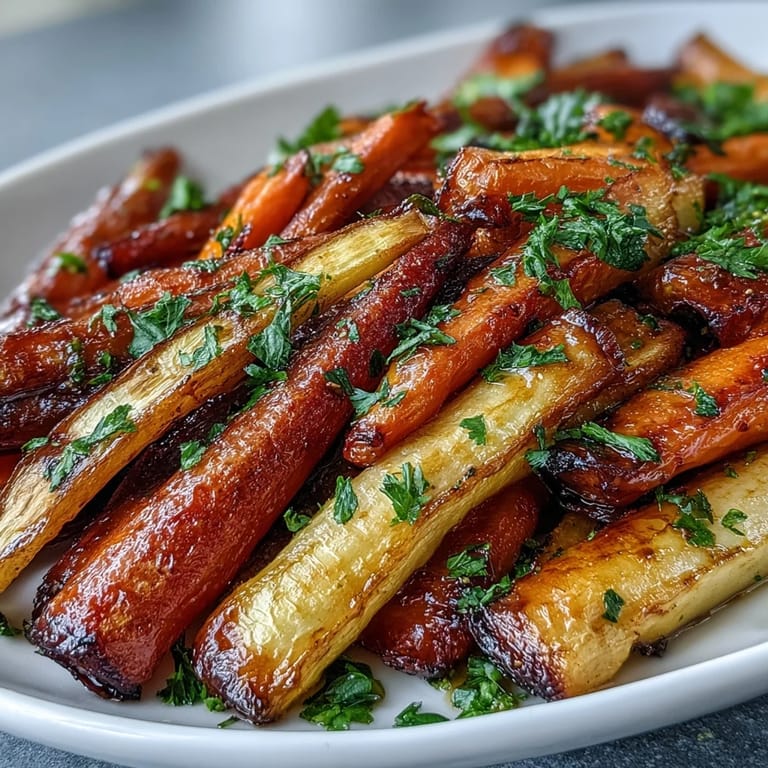
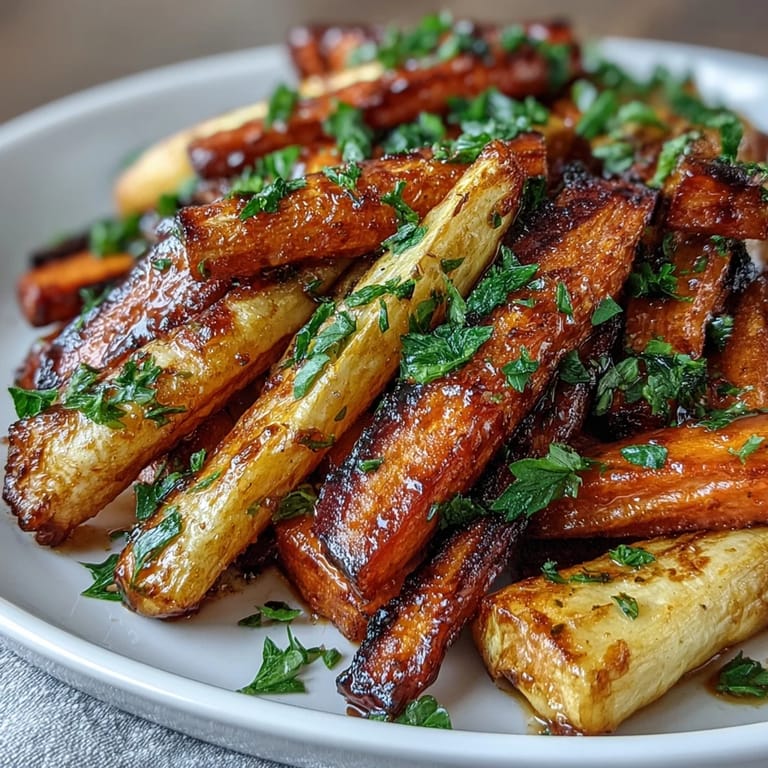
- The vegetables are done when they're fork-tender and the edges have turned deep golden brown and crispy—this is where the honey does its thing. Transfer to a serving dish, sprinkle with parsley if you're using it, and serve while everything's still warm.
 Zapisz
 A friend brought her very picky eight-year-old to a dinner party where I served these, and I watched the kid eat three helpings without realizing what they were. His mother caught my eye across the table with that look of complete disbelief, like I'd somehow performed minor witchcraft in the kitchen. That moment taught me that good food doesn't announce itself—it just quietly wins people over.
Kiedy Mód i Miód Spotykają się
There's a specific moment in the oven, usually around the twenty-minute mark, when the whole kitchen starts smelling like caramelized honey and herbs. It's the kind of smell that makes people drift toward the kitchen asking what you're making, even though it's just root vegetables. That smell is actually the Maillard reaction happening—the honey is breaking down and bonding with the vegetable sugars to create something completely new and irresistible. Once you've experienced that transformation a few times, you start baking these not just for the taste, but for that moment of kitchen magic.
Zamiany i Wariacje
I've experimented with this glaze more times than I'd like to admit, and some experiments stuck while others quietly disappeared from my rotation. Swapping the honey for maple syrup makes everything taste slightly more woodsy and autumnal, and the cooking time stays exactly the same. A pinch of chili flakes adds a whisper of heat that nobody can quite identify but everyone notices, while a splash of balsamic vinegar brings a sophisticated tang that plays beautifully against the sweetness. The beauty of this recipe is that it's forgiving enough to take risks with, so don't be afraid to adjust it to whatever you're in the mood for.
Co Podawać Obok Tych Warzyw
These vegetables were born to sit next to a ham dinner, but they've proven themselves equally at home alongside roasted chicken or turkey. I've also discovered they're surprisingly good eaten cold the next day straight from the refrigerator, which makes them excellent for lunch leftovers. The sweetness and the herbaceous earthiness mean they play well with virtually any protein you'd want to roast or bake during the cooler months.
- Try these alongside a simple salad dressed with lemon vinaigrette to balance the sweetness.
- They pair beautifully with creamy mashed potatoes or a grain like wild rice if you want to make it a more substantial side.
- Leftover roasted vegetables can be chopped and stirred into a grain salad the next day for lunch.
 Zapisz
 This dish exists in the space between simple and special, which is exactly where most of the food we actually love lives. Make it once and you'll find yourself reaching for it again whenever you need something that tastes like you cared enough to cook, but didn't require you to spend your whole evening in the kitchen.
Najczęściej zadawane pytania dotyczące przepisów
- → Jakie warzywa są użyte w daniu?
Używamy marchewki i pasternaku, obie pokrojone na słupki, co pozwala na równomierne pieczenie.
- → Jaki jest sekret soczystej glazury?
Glazura składa się z miodu, oliwy z oliwek, świeżego lub suszonego tymianku, soli i pieprzu, które podkreślają naturalną słodycz warzyw.
- → Jak długo trwa pieczenie warzyw?
Warzywa pieczemy przez 30-35 minut w temperaturze 200°C, mieszając w połowie czasu dla równomiernego zrumienienia.
- → Czy można zastąpić miód innym składnikiem?
Tak, syrop klonowy sprawdzi się jako wegańska alternatywa, nadając podobną słodycz i teksturę.
- → Do jakich dań pasuje ten dodatek?
Idealnie komponuje się z pieczonym mięsem, takimi jak szynka, ale też świetnie smakuje jako samodzielna przekąska.