 Zapisz
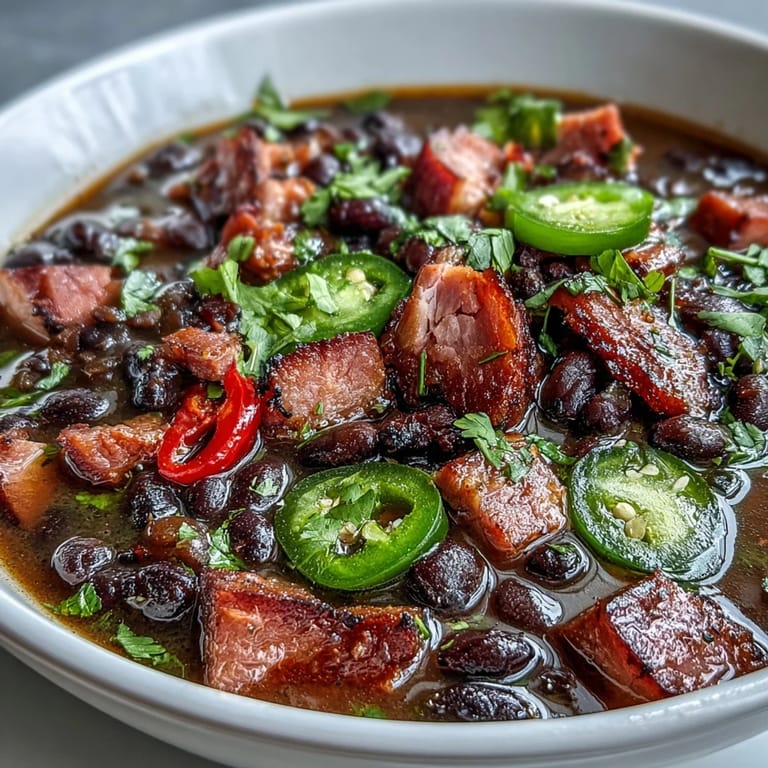
 There's something about a steaming pot of black bean soup that makes a cold afternoon feel instantly manageable. Years ago, a neighbor brought over a pot of this exact soup during one of those gray January days when the heating in my apartment felt insufficient and my mood matched the weather outside. I watched her ladle it into bowls, the rich dark broth releasing wisps of steam, and noticed how the ham added this unexpected smokiness that made it feel restaurant-worthy rather than just leftovers thrown together. That first spoonful taught me that the best comfort food doesn't announce itself dramatically—it just quietly makes everything better. Now whenever winter settles in, I find myself recreating that exact moment.
I made this for a small gathering of friends who showed up exhausted from moving apartments, and something shifted in the room the moment they tasted it. Someone asked for seconds before finishing their first bowl, which doesn't happen often. By the end of the evening, three people were asking for the recipe, and one friend admitted she'd been eating canned soup for weeks and forgot that homemade could taste this alive and genuine.
Ingredients
- Smoked ham, diced (250 g): This is your backbone—it seasons the entire pot as it simmers, releasing smoke and saltiness that a stock cube could never replicate, so don't skip it or substitute with bacon.
- Black beans, cooked (450 g): Canned is honest and convenient; just rinse them thoroughly to reduce excess sodium and prevent a muddy-looking broth.
- Onion, carrots, and celery (1 large, 2 medium, 2 stalks): This is the aromatic foundation that gives the soup depth—soften them first so they melt into the background and build flavor instead of competing for attention.
- Garlic and jalapeños (3 cloves, 2 medium): Mince them finely so they distribute evenly rather than leaving you with surprise heat in one spoonful and none in the next.
- Red bell pepper, diced (1): It adds sweetness that balances the spice and ham, giving the soup a more rounded, sophisticated flavor profile.
- Chicken or vegetable broth (1.5 L): Low-sodium is crucial because the ham and seasoning will deepen the saltiness as everything simmers, and you want control over the final taste.
- Ground cumin (1 tsp): This spice makes the soup taste intentional rather than accidental—it whispers rather than shouts.
- Smoked paprika (1 tsp): It echoes the ham's smokiness and makes the color look appetizing, adding layers instead of flatness.
- Dried oregano and bay leaf (1/2 tsp and 1): These create a subtle savory note that keeps people wondering what makes it taste so good.
- Olive oil (2 tbsp): Use extra virgin for sautéing because it carries flavor and prevents the vegetables from tasting bland.
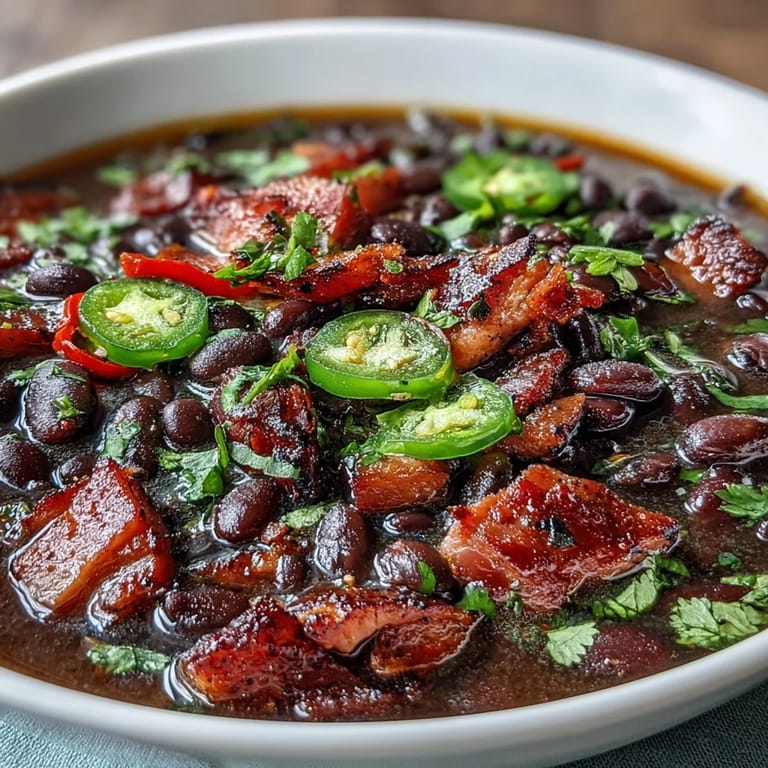
- Fresh cilantro and lime wedges (for garnish): These finish the soup with brightness that cuts through the richness and reminds your palate you're eating something alive.
Tired of Takeout? 🥡
Get 10 meals you can make faster than delivery arrives. Seriously.
One email. No spam. Unsubscribe anytime.
Instructions
- Build your foundation with heat:
- Warm the olive oil in a large pot over medium heat until it shimmers slightly, then add diced onion, carrots, and celery. You'll hear them hit the oil with a gentle sizzle—let them soften for about five minutes, stirring occasionally, until the onion turns translucent and the kitchen smells sweet and vegetal instead of raw.
- Layer in aromatics for depth:
- Stir in the minced garlic, jalapeños, and red bell pepper, cooking for three minutes until the garlic stops smelling sharp and the whole pot becomes fragrant. This is when you'll notice the jalapeños breaking down slightly at the edges, releasing their heat into the oil.
- Introduce the ham's smokiness:
- Add your diced ham and stir occasionally for about four minutes, letting it toast slightly and release its smoky flavor into the base. Don't let it scorch, but don't be timid either—a little caramelization on the ham edges adds complexity.
- Toast your spices:
- Sprinkle in the cumin, smoked paprika, oregano, and bay leaf, stirring constantly for about a minute. The spices will bloom and darken slightly, and your kitchen will smell like someone who knows what they're doing—even if you're making this the first time.
- Bring everything together:
- Add the black beans and pour in the broth, stirring gently to combine. Bring the pot to a boil over medium-high heat, then reduce the heat to medium-low and let it simmer uncovered for forty-five minutes, stirring occasionally to prevent anything from sticking to the bottom. The soup will darken slightly and taste increasingly complex as the flavors marry.
- Adjust texture if you'd like:
- After removing the bay leaf, you can use an immersion blender to partially purée the soup if you prefer it thicker and creamier, or leave it chunky if you like seeing the ingredients in your bowl. There's no wrong choice here—it's purely about what your mood calls for.
- Season to your taste:
- Add salt and black pepper carefully, tasting as you go, because the ham and broth already contain sodium. You're fine-tuning, not starting from scratch.
- Serve with intention:
- Ladle the hot soup into bowls, top with bright green cilantro, and pass lime wedges so people can add as much brightness as they want. The squeeze of lime transforms the entire experience.
 Zapisz
 A friend who claims she doesn't cook has been making this soup every week since I shared it with her, and she texted me a photo of her daughter eating three bowls in one sitting. That moment when food stops being about technique and becomes about connection—that's when you know you've found something worth holding onto.
Why This Soup Tastes Better Than It Sounds
The magic isn't in doing anything complicated—it's in letting simple ingredients have time to know each other. The ham seasons everything without you adding extra salt packets, the beans provide substance without heaviness, and the jalapeños remind you that spice is about sensation and awakening, not punishment. This is a soup that works because each component respects the others rather than fighting for dominance.
Making It Your Own
Once you've made it once, you'll start noticing small ways to shift it. Some people add diced sweet potato for earthiness, others throw in corn during warmer months when they want the same flavor but less heaviness, and I've seen versions with smoked sausage instead of ham that absolutely sing. The foundation is strong enough to support your preferences without falling apart.
Serving and Storage
This soup tastes even better the next day, once the flavors have completely settled into the broth. I usually make a pot on Sunday and eat it throughout the week, heating individual portions in the microwave or on the stovetop with a splash of broth if it's thickened. It also freezes beautifully for up to three months, though the jalapeños will mellow slightly, which some people prefer.
- Serve it with crusty bread if you want to turn it into a complete meal that feels substantial.
- Pour it over cooked rice for a different texture and presentation that works especially well for lunch.
- Lime wedges are optional but genuinely transformative, so keep them on hand even if you think you won't use them.
 Zapisz
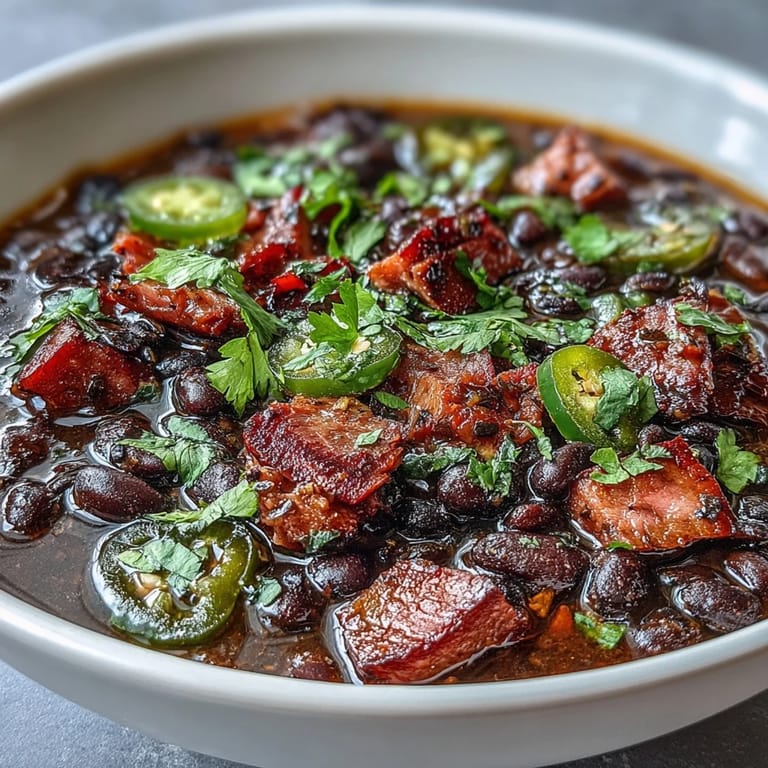
 This soup lives in the space between impressive and approachable, which is exactly where the best home cooking happens. Make it once and you'll understand why it became a favorite.
Najczęściej zadawane pytania dotyczące przepisów
- → Jak uzyskać odpowiednią ostrość zupy?
Dodaj więcej posiekanych jalapeños ze wszystkimi nasionami lub odrobinę mielonego pieprzu cayenne.
- → Czy można zastąpić szynkę innym mięsem?
Tak, wędzona kiełbasa lub boczek nadają podobny, dymny smak.
- → Jak uniknąć rozgotowania fasoli?
Użyj ugotowanej wcześniej fasoli lub dokładnie odsącz fasolę z puszki, by zachować teksturę.
- → Jakie dodatki będą pasować do tej zupy?
Świeża kolendra i limonka świetnie podkreślają smak, a podanie z chrupiącym pieczywem dopełni danie.
- → Czy można przygotować wersję wegetariańską?
Tak, pomiń szynkę i użyj bulionu warzywnego oraz łyżeczki płynnego dymu dla aromatu.