 Zapisz
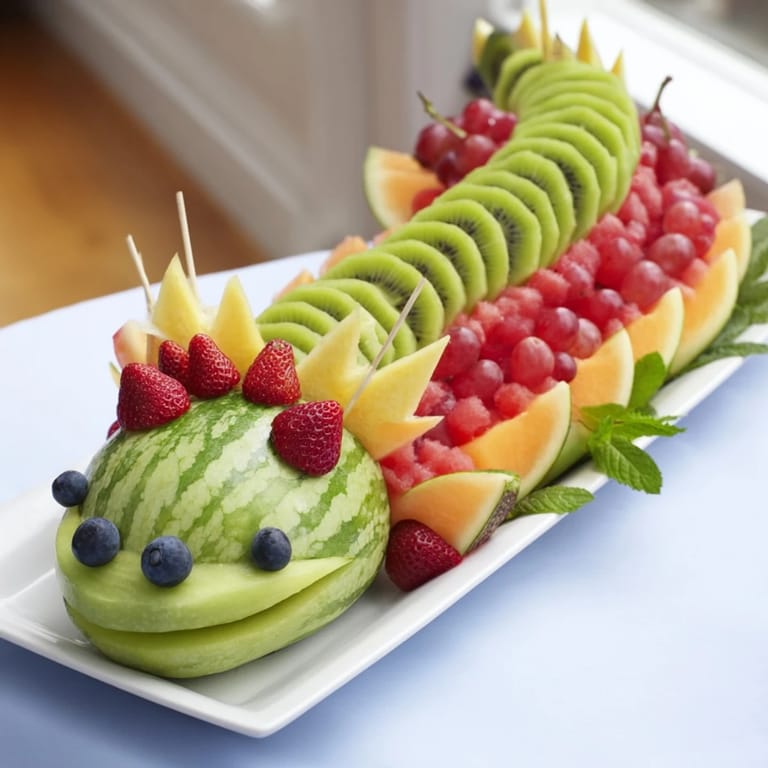
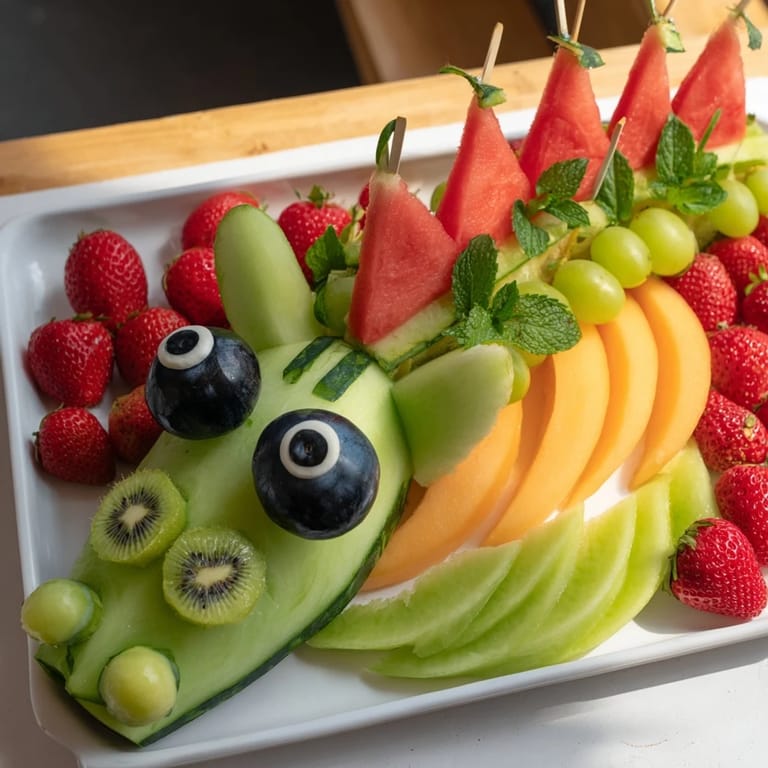
 Bring a burst of color and fun to your next celebration with this Dragon-Shaped Fruit Tray. Crafted from fresh, juicy fruits, this whimsical centerpiece not only delights the eyes but also offers a healthy and refreshing appetizer everyone will love. Its serpentine curves and intricate scales made from cantaloupe, honeydew, grapes, and berries make it a standout party platter that is sure to impress your guests.
Zapisz This recipe is perfect for anyone looking to mix art with nutrition. It encourages creativity in food presentation and offers an easy method to get kids and adults alike excited about eating fruit. The dragon motif adds a magical touch that transforms a simple fruit tray into a memorable experience.
Ingredients
Tired of Takeout? 🥡
Get 10 meals you can make faster than delivery arrives. Seriously.
One email. No spam. Unsubscribe anytime.
- 1 large watermelon (for dragons body and head)
- 1 cantaloupe (for scales and accents)
- 1 honeydew melon (for scales and accents)
- 2 kiwifruits (for scales and details)
- 1 cup red grapes (for scales and decorative features)
- 1 cup green grapes (for scales)
- 1 cup blueberries (for eyes and accents)
- 1 cup strawberries, hulled and halved (for spikes and accents)
- 2 large blackberries or blueberries (for dragons eyes)
- 1 slice pineapple (for wings or flames, optional)
- Mint leaves (for added greenery)
- 2 thin carrot sticks (for dragons horns or whiskers, optional)
- Edible flowers (optional garnish)
- Toothpicks or cocktail sticks (to secure fruit pieces)
Instructions
- 1. Prepare all fruits
- Wash thoroughly. Peel and cut melons into half-moon slices for scales. Slice kiwifruits and strawberries. Cut watermelon into desired dragon body shapes: one large oval for the body and a smaller oval for the head.
- 2. Arrange the dragon base
- On a large serving tray, lay out the watermelon ovals to form the dragons body and head, curving gently for a serpentine shape.
- 3. Create the scales
- Arrange melon slices, grapes, and kiwifruit slices along the body to mimic scales, overlapping them for a colorful effect.
- 4. Add facial features
- Use blackberries or large blueberries to create eyes; secure with toothpicks if needed. Place blueberries or grapes for nostrils and other facial features.
- 5. Add decorative accents
- Use pineapple slices, carrot sticks, or strawberries to create spikes, horns, or flames as desired. Mint leaves can be added for a leafy effect.
- 6. Fill gaps
- Fill gaps with additional grapes, berries, or edible flowers for visual appeal.
- 7. Chill and serve
- Chill until serving. Serve with toothpicks or small forks.
Zusatztipps für die Zubereitung
Um die Frische und Farbintensität der Früchte zu bewahren, empfiehlt es sich, den Drachenfruchtteller möglichst kurz vor dem Servieren zusammenzusetzen. Die geschwungenen Formen lassen sich am besten mit einem großen, gut geschnittenen Schneidebrett und einem scharfen Messer realisieren. Optional kann ein Melonenausstecher beim Gestalten der Schuppen helfen.
Varianten und Anpassungen
Das Grundrezept erlaubt viele kreative Variationen: Verwenden Sie saisonale Früchte oder solche, die farblich zum Event passen. Die Wahl der Früchte können Sie je nach Geschmack und Verfügbarkeit anpassen. Die optionalen Dekorationselemente wie Karottenhörner oder Ananasflammen können ausgelassen oder durch andere fruchtige Akzente ersetzt werden.
Serviervorschläge
Servieren Sie die Drachen-Fruchtschale gut gekühlt mit kleinen Zahnstochern oder Cocktailspießen. Ein Dip aus Joghurt oder einem Honig-Limetten-Mix passt hervorragend dazu. Für vegane Gäste achten Sie darauf, keinen Honig zu verwenden und wählen eine vegane Alternative.
 Zapisz
 This Dragon-Shaped Fruit Tray is more than just a dish—it's an experience that brings joy and creativity to your table. Whether for kids' parties, festive occasions, or just because, it invites laughter, conversation, and healthy snacking all at once.
Najczęściej zadawane pytania dotyczące przepisów
- → Jak przygotować owoce do talerza?
Owoce należy umyć, obrać i pokroić na odpowiednie kształty: melon na półksiężyce, kiwi i truskawki na plasterki, a arbuza na duże owale.
- → Jak ułożyć owoce, by przypominały smoka?
Duże owale arbuza tworzą ciało i głowę, na których układa się plasterki melonów i winogron imitujące łuski. Jagody i truskawki używamy do detali takich jak oczy i kolce.
- → Czy można używać innych owoców?
Tak, można dostosować owoce według dostępności i preferencji, pamiętając o zachowaniu kontrastów kolorystycznych i tekstur.
- → Jakie akcesoria ułatwiają dekorację?
Przydadzą się wykałaczki lub patyczki koktajlowe do mocowania drobnych elementów oraz ostry nóż do precyzyjnego krojenia owoców.
- → Jak przechowywać talerz przed podaniem?
Najlepiej chłodzić w lodówce i przygotować na krótko przed serwowaniem, aby owoce pozostały świeże i jędrne.